

What Data Does the EDC Collect for SP?
High-quality data are essential for understanding pediatric readiness, identifying opportunities for improvement, measuring progress over time, and supporting better emergency care for children. The EDC collects, manages, analyzes, and reports data that help EMSC programs, EMS and fire-based agencies, hospital emergency departments, researchers, and national partners improve pediatric emergency care systems. The 2020 joint policy statement 1, Pediatric Readiness in Emergency Medical Services Systems, recognizes the importance of quality prehospital care for children. It outlines the need for collaboration between EMS systems and pediatric acute care experts to optimize prehospital care for children to improve outcomes across the healthcare continuum. Furthermore, timely access to pediatric specialty services (such as hospitals with a 24/7 ED) for a child in the acute stages of illness or injury is critical to reducing morbidity and mortality. 2 Most children are treated first in a local community hospital, which may not have all the processes, staff, and equipment needed to provide specialty pediatric care.

1. Owusu-Ansah S, Moore B, Shah MI, Gross T, Brown K, Gausche-Hill M, Remick K, Adelgais K, Rappaport L, Snow S, Wright-Johnson C. Pediatric readiness in emergency medical services systems. Pediatrics. 2020 Jan 1;145(1).
2. Gausche-Hill M, Ely M, Schmuhl P, Telford R, Remick KE, Edgerton EA, Olson LM. A national assessment of pediatric readiness of emergency departments. JAMA Pediatrics. 2015 Jun 1;169(6):527-34.

The EMSC Data Center (EDC) collects data assessing this pediatric readiness from more than 15,500 911 EMS and fire-rescue agencies and 5,000 hospitals with a 24/7 ED.

14,500+
911 prehospital agencies
5,000+
hospitals with a 24/7 ED

The EDC supports one of the largest pediatric emergency care data collection efforts in the United States. Through national assessments, pediatric readiness initiatives, research collaborations, and data partnerships, the EDC helps generate information that supports pediatric readiness, quality improvement, performance measurement, research, and evidence-based decision-making.
The EDC maintains and supports comprehensive national datasets related to pediatric emergency care, pediatric readiness, EMS and fire-rescue agencies, hospital emergency departments, and related quality improvement initiatives. These resources help support EMSC programs, researchers, clinicians, federal partners, and national readiness efforts.
The EDC combines expertise in data collection, survey methods, implementation science, assessment administration, statistics, geographic analysis, quality improvement, technical assistance, communications, and data visualization. This multidisciplinary approach allows the EDC to support the collection, analysis, interpretation, reporting, and use of pediatric emergency care data at local, state, territorial, and national levels.
By combining data, analytics, technical assistance, and quality improvement principles, the EDC helps transform information into actionable insights that support readiness improvement and better outcomes for children.
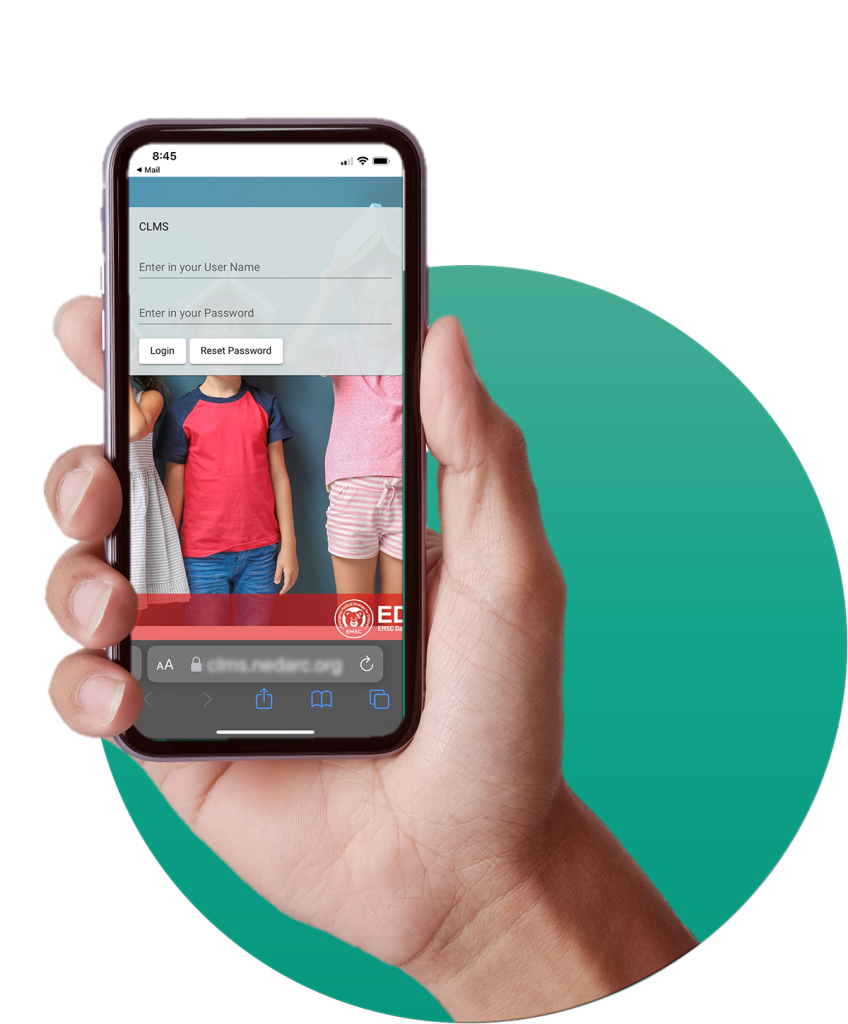
Longitudinal measurement allows readiness, participation, and quality improvement efforts to be monitored over time, supporting continuous improvement and evaluation of progress.
EDC-supported datasets have contributed to hundreds of publications, presentations, reports, and readiness initiatives that have advanced pediatric emergency care across the country.
Data linkage expands the value of individual datasets by providing a more complete picture of pediatric emergency care systems and outcomes. The EDC collaborates with national partners and external data sources to support benchmarking, research, readiness measurement, and outcome evaluation efforts.
Key EDC-managed pediatric readiness datasets and initiatives include:
- National Prehospital Pediatric Readiness Project (PPRP) assessment with prehospital agencies
- National Pediatric Readiness Project (NPRP) assessment with hospital EDs
- Additional pediatric readiness, performance measurement, quality improvement, and research data initiatives that support the EMSC Program and national pediatric readiness efforts
Pediatric Emergency Care Opportunities for Research
The EDC supports pediatric emergency care research by providing access to nationally significant pediatric readiness datasets and supporting investigators through structured data request, analysis, and collaboration processes.
The National Prehospital Pediatric Readiness Project (PPRP) and National Pediatric Readiness Project (NPRP) datasets provide unique opportunities to investigate pediatric readiness, emergency care systems, quality improvement, implementation strategies, health services delivery, and factors associated with improved outcomes for children.
Together, these national assessments represent some of the largest pediatric readiness datasets available and provide valuable information about pediatric emergency care delivery across EMS and fire-rescue agencies and hospital emergency departments nationwide.
Investigators interested in using PPRP or NPRP data can request access through the EDC research review process. This process helps ensure appropriate data stewardship, support for investigators, scientific rigor, and alignment with existing research efforts while promoting meaningful contributions to pediatric emergency care knowledge.
Researchers approved to use EDC data resources may also have access to statistical consultation, data interpretation support, and other subject matter expertise available through the EDC research support process.
National Prehospital Pediatric Readiness Data
To request 2024 PPRP data for scholarly purposes, please review the PPRP Research Opportunities Request Process by clicking below:
National Pediatric Readiness Data
To request 2021 NPRP data for scholarly purposes, please review the NPRP Research Opportunities Request Process by clicking below:

Data Dictionaries, Surveys, and Assessments
To support transparency, consistency, and responsible use of EDC data resources, data dictionaries are available for many of our national surveys and assessments. These documents provide information about assessment questions, variable names, definitions, response options, and data elements contained within associated datasets.
Downloadable assessment instruments are available to help users better understand how data were collected and how readiness measures were evaluated.
Documentation for each data collection project includes information about the purpose of the assessment, target population, measurement approach, and supporting resources related to the dataset.
These resources are intended to support researchers, investigators, EMSC Program Managers, and other users who wish to develop research questions, understand available variables, interpret findings, review datasets, or better understand pediatric readiness measurement activities.
Access to data dictionaries, assessment instruments, and related documentation helps promote consistent interpretation of results, supports high-quality research, and improves understanding of how EDC data resources are collected and used.
National Data Reports and Factsheets
The EDC develops national reports, factsheets, and summary resources that translate pediatric readiness and emergency care data into practical information that can be used by EMSC programs, healthcare organizations, researchers, and other stakeholders.
These resources help users understand readiness findings, identify opportunities for improvement, communicate results, and support data-informed decision-making. All reports and factsheets are available to download and share.
Explore the reports and factsheets below to learn more about pediatric readiness, assessment findings, national trends, and emergency care for children.
Interactive Public National Dashboards
Interactive dashboards allow users to explore pediatric readiness, emergency care, and population data through visual and user-friendly tools. These dashboards are created in Tableau and incorporate data from EDC resources and trusted national data sources to support planning, education, benchmarking, and improvement efforts.
To protect confidentiality and privacy, dashboards display aggregated information rather than identifiable records. Public dashboards help users explore trends, monitor progress, compare results, and better understand pediatric emergency care and readiness data at the national level.

External Data Resources for Linkage
The following websites have data that is publicly available and most can be linked to the data housed at the EDC:
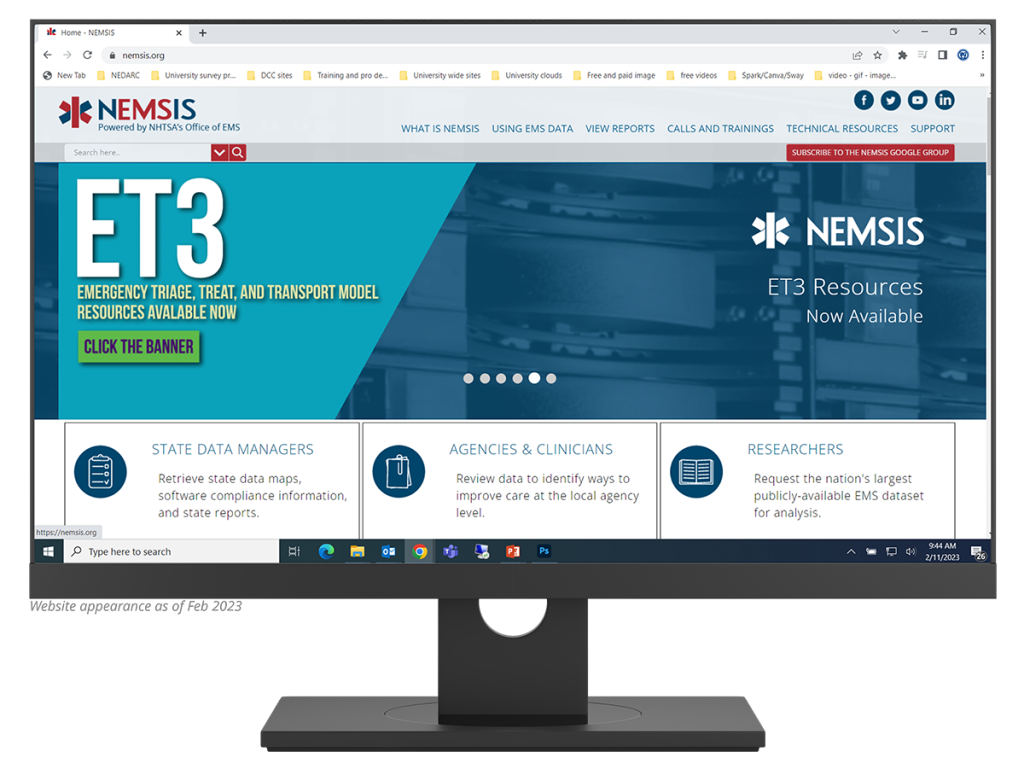
The EDC is currently working with NEMSIS to provide data linkage for patient outcomes. NEMSIS is the national database that is used to store EMS data from the US States and Territories. NEMSIS is a universal standard for how patient care information resulting from prehospital EMS activations is collected. NEMSIS is a collaborative system to improve patient care through the standardization, aggregation, and utilization of point of care EMS data at a local, state, and national level. NEMSIS is a product of NHTSA’s Office of EMS and in collaboration with the University of Utah is the host of the Technical Assistance Center (TAC).
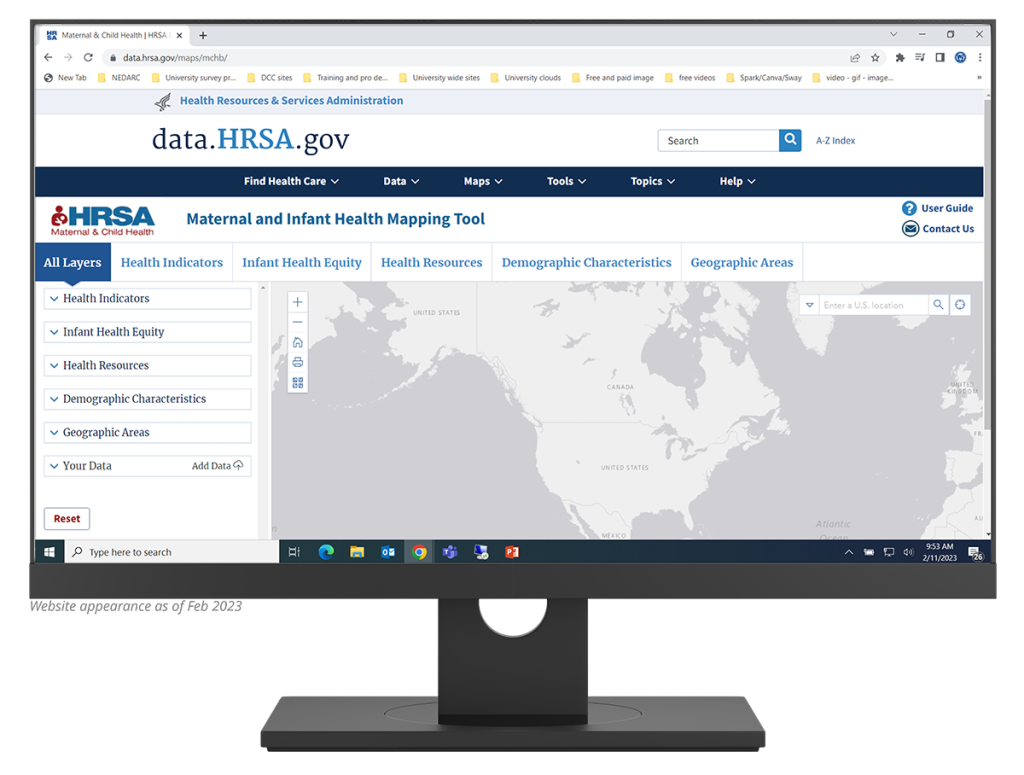
The Maternal and Infant Health Mapping Tool is an interactive online tool that allows users to create and customize county-level maps on maternal and infant health. Users can explore the geographic relationships between maternal and infant health indicators, health resources, and demographics. The tool was designed to help federal, state, and local decision-makers and others visualize maternal and infant health factors to assist in understanding need and targeting resources.
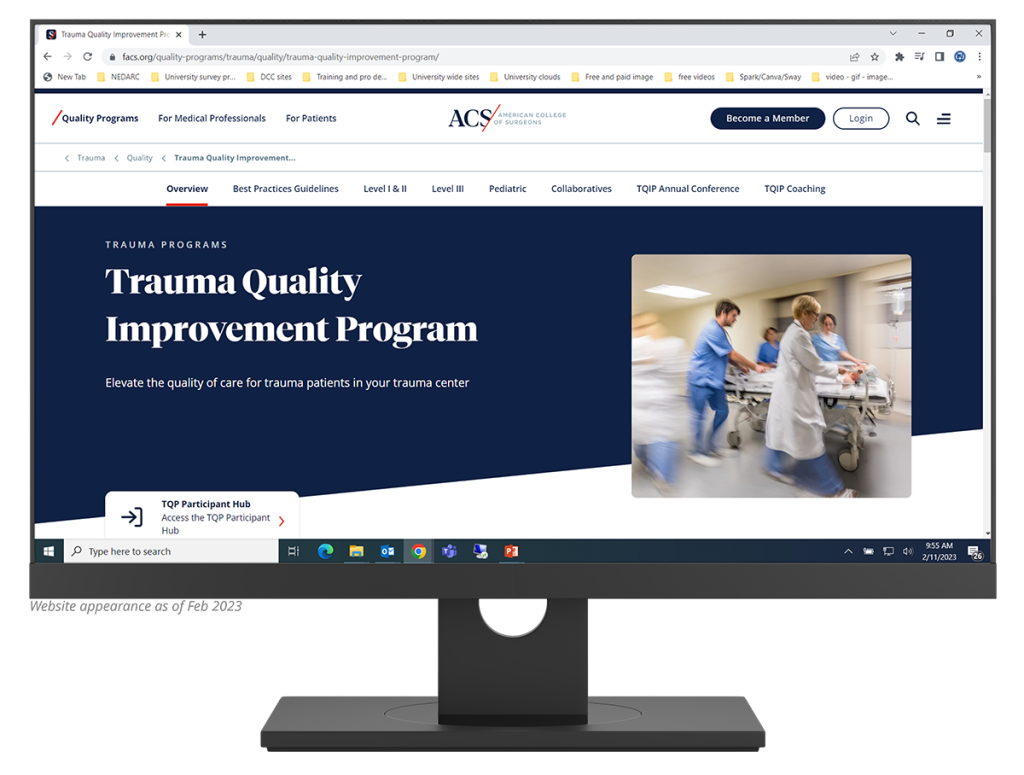
The EDC is also working with the staff at TQIP to provide ways to link datasets. The TQIP collects data from trauma centers including benchmarking for pediatric trauma centers; this allows for the ability to track outcomes and improve patient care.
Since 1946, the American Hospital Association has collected data provided by the nation’s hospitals and health care systems to give researchers the most consistent and complete view of trends such as hospital characteristics, physician models, and types of hospitals.
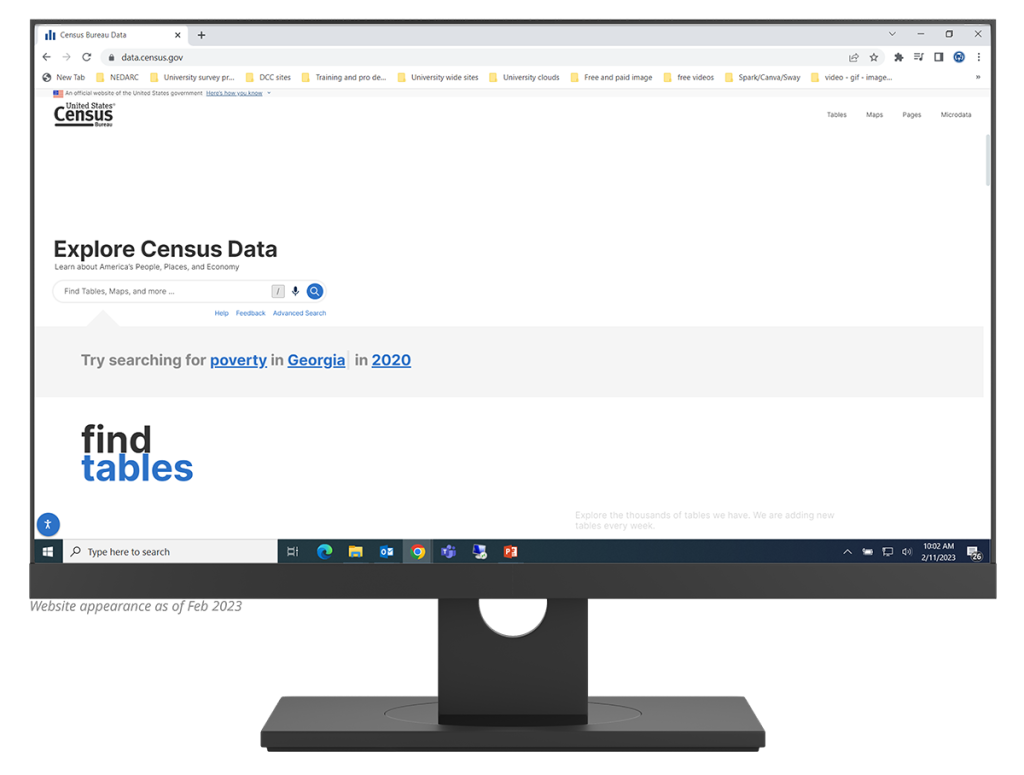
The new Census.gov “Explore Census Data” system contains population data (children 18 and under), poverty indices, disparity information, and more.
The Census Academy offers free eLearning tutorials, courses, and webinars.