
Performance Measure Implementation Manual and Development Process
EMSC Performance Measure Implementation Manual
The current EMSC Performance Measure Implementation Manual was released for EMSC State Partnership grantees in April 2026 and is also hosted on the EIIC website. This manual covers the Program Performance Measures through 2027.
The EMSC Performance Measure Implementation Manual serves as the primary reference guide for State Partnership Programs. It provides detailed guidance on performance measure definitions, reporting requirements, data collection expectations, timelines, policies, standards, and federal program requirements.
The manual is designed to promote consistent implementation across states and territories while improving data quality, reducing reporting burden, and supporting accurate measurement of pediatric readiness and EMSC Program activities.
The implementation manual should be the first resource consulted when questions arise regarding performance measure requirements, reporting expectations, data collection procedures, definitions, or timelines.
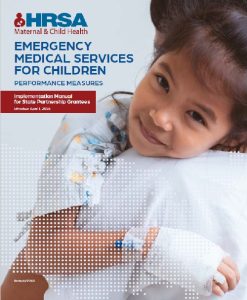
Click on the picture of the current EMSC Performance Measure Implementation Manual to download a copy! (updated April 2026)

9 EMSC Performance Measures
The EMSC Program has 9 performance measures for State Partnership grantees. These measures can be found explained in the EMSC Performance Measure Implementation Manual found above.
We have created a graphic to briefly explain each of these 9 measures.
Click on the graphic to see and download a higher resolution infographic of the 9 EMSC Performance Measures.
Performance Measure Resources
While the EDC is focused on the data collection, we have compiled a list of some website as resources to help you with these measures.

EMSC Performance Measure Data Collection Schedule
A description of the current EMSC Performance Measure data collection schedule can be found in the EMSC Performance Measure Implementation Manual. The schedule identifies how each performance measure is collected, reported, and monitored throughout the performance measure cycle.
The current EMSC Performance Measures focus on three key areas: hospital pediatric readiness, prehospital pediatric readiness, and family engagement within EMSC programs. Together, these measures help evaluate progress toward improving emergency care for children and strengthening pediatric readiness systems nationwide.
EMSC Performance Measure data are collected through multiple mechanisms, including Electronic Handbook (EHB) reporting and nationally coordinated pediatric readiness assessments. This integrated approach reduces duplication of effort, promotes standardized measurement across states and territories, and provides data that can be used to drive pediatric readiness improvement, quality improvement activities, and performance evaluation.
National assessments such as the National Prehospital Pediatric Readiness Project (PPRP) and the National Pediatric Readiness Project (NPRP) provide standardized readiness measurement across EMS and fire rescue agencies and hospital emergency departments nationwide. These assessments support performance measure reporting while also providing organizations with actionable information that can be used for pediatric readiness initiatives, strategic planning, quality improvement, and performance monitoring.
Centralized data collection and reporting allow EMSC programs to benchmark progress, identify gaps, monitor readiness over time, evaluate improvement efforts, and better understand pediatric readiness at local, state, territorial, and national levels.
Consistent measurement, centralized analytics, and ongoing performance reporting help demonstrate the impact of pediatric readiness activities while providing EMSC programs with the information needed to prioritize resources, guide decision-making, and advance emergency care for children.
EMSC Performance Measure Development Process
Developing the Original Measures (2004-2016)
In 2004, the U.S. Department of Health and Human Services, Health Resources and Services Administration (HRSA) and Maternal Child and Health Bureau’s (MCHB) Emergency Medical Services for Children (EMSC) State Partnership Program implemented standardized performance measures to assess the quality of pediatric emergency care provided in the prehospital and hospital emergency department (ED) settings in all states and U.S. territories.
These original performance measures established a national framework for evaluating pediatric emergency care systems and provided the EMSC Program with a consistent way to measure progress across states and territories.
Performance measures data have been collected from 56 states and territories several times since 2004. The findings from the data collection showed that the majority of EMS and fire-rescue agencies had medical direction and equipment, which were the original prehospital-based performance measures, but that there was still room for improvement in the hospital ED measures. Early performance measures focused primarily on infrastructure, resources, and equipment. As pediatric emergency care systems matured, the EMSC Program recognized the need to move beyond measuring availability and begin evaluating the policies, processes, and practices that influence pediatric readiness and patient outcomes.
As a result, in 2017, while the EMSC Program decided to keep the hospital ED measures, the Program ended collecting data about pediatric medical direction, pediatric equipment carried on ambulances, or pediatric education requirements for EMS personnel and moved to a next generation of measures for prehospital agencies assessing processes.


Developing the Next Set of Measures (2017-2022)
In 2013, the EMSC Program worked with the EDC staff to develop the current EMSC performance measures. As a first step, performance-measure data from two periods in 2010 and 2013 were analyzed and reviewed to determine where efforts should continue and what areas were ready to move to the next phase. Hence, the journey began to develop prehospital systems-based performance measures.
Performance measures are not developed by a single organization or individual. They are created through a structured process that incorporates research evidence, subject matter expertise, stakeholder input, and field testing. The development process included literature reviews, interviews with national experts, advisory committee review, and evaluation of existing performance measure data to identify opportunities for improvement and measure future progress. In 2013, the EDC convened a two-day meeting of a 20-person advisory council and conducted follow-up conference calls to identify three core performance measures. Cognitive interviewing, field testing, and a full pilot test helped ensure that questions were understandable, practical, and capable of producing meaningful and reliable data across a wide range of EMS and fire-rescue agencies.
Based on the work and recommendations of the advisory council, and with the support of HRSA, three new prehospital-based performance measures were developed:
EMSC 01: Submission of NEMSIS Compliant Version 3.X Data

EMSC 02: Pediatric Emergency Care Coordinator (PECC)

EMSC 03: Use Of Pediatric-Specific Equipment

Read more about the history of the EMSC Program performance measures, the movement to a centralized national database, and movement from structure measures to process measures in the article Getting more performance out of performance measures: The journey and impact of the EMS for Children Program. Clinical Pediatric Emergency Medicine. 2018 Sep 1;19(3):206-15.

Developing the Current Measures (2023-2027)
In April 2023, the HRSA EMSC Program retired four performance measures:
- data from states on NEMSIS compliant submission from prehospital agencies,
- hospital stabilization and/or management of pediatric trauma,
- hospital written interfacility transfer guidelines, and
- hospital written interfacility transfer agreements that cover pediatric patients.
Three of the existing performance measures continue capturing hospital pediatric readiness recognition programs, prehospital PECCs, and prehospital pediatric skills-checking.
The current generation of performance measures reflects the continued evolution of pediatric readiness and quality improvement efforts. The measures place greater emphasis on pediatric readiness, disaster preparedness, family engagement, system processes, and adoption of evidence-based practices across EMS agencies, emergency departments, and EMSC programs.
The current measures were developed to align with national pediatric readiness recommendations and support the EMSC Program’s broader goal of improving emergency care for children through measurement, quality improvement, technical assistance, and readiness initiatives.
Performance measures are periodically reviewed and updated to ensure they remain relevant, meaningful, actionable, and aligned with current evidence, national priorities, and pediatric readiness initiatives. As emergency care systems evolve, measurement strategies must also evolve to continue driving meaningful improvement.
